Elevating Your Brand with a Modern Restaurant Hotel Instagram Post Story Strategy
In the fast-paced world of digital hospitality, the visual presentation of your brand is often the first interaction a potential customer has with your business. Whether you manage a bustling urban bistro, a luxury hotel restaurant, or a specialized food delivery service, the quality of your social media presence directly correlates with customer engagement and revenue. This is where a strategic approach to content creation becomes essential. Utilizing a Restaurant Hotel Instagram Post Story framework allows businesses to maintain a consistent, high-quality aesthetic that resonates with modern diners who expect not just great food, but a compelling visual narrative.
The shift toward visual-first marketing on platforms like Instagram has fundamentally changed how restaurants and hotels operate. It is no longer sufficient to simply post a photo of a dish; the context, design, and storytelling surrounding that image are equally important. Today's consumers, ranging from young professionals seeking quick lunch options to families planning weekend getaways, scroll through feeds with high expectations. They are drawn to content that looks professional, appetizing, and authentic. A well-crafted template system bridges the gap between amateur smartphone photography and polished brand advertising, ensuring that every post reinforces your establishment's identity.
The Evolution of Food Promotion in the Digital Age
The landscape of food promotion has evolved significantly over the last decade. In the past, a static menu photo might have sufficed. However, current trends indicate a strong preference for dynamic, cohesive, and story-driven content. Users today consume information rapidly, often making split-second decisions based on visual appeal. This behavior has led to an increased demand for tools that streamline the creation of high-impact visuals without requiring extensive graphic design expertise.
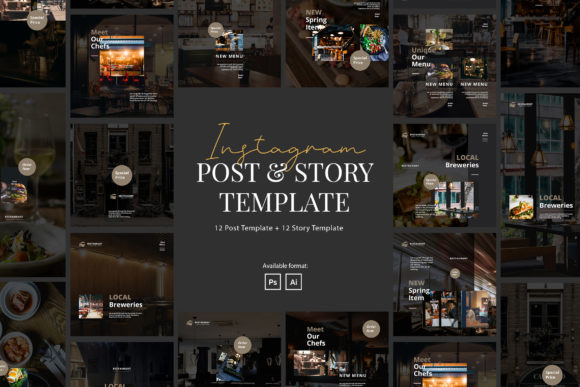
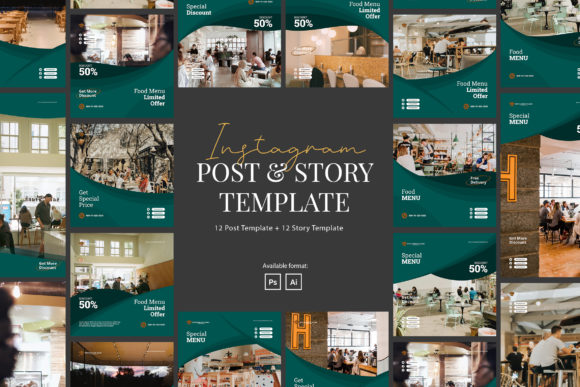
This is precisely why resources like the Restaurant Food Instagram ads post and story template have become invaluable assets for marketers and business owners. These templates are designed with a modern style that aligns with current user expectations. They provide a structured yet flexible foundation for creating content that stands out in a crowded feed. By adopting a template-based workflow, restaurants can ensure that their promotional materials look stunning and eye-catching, regardless of who is managing the social media account on a given day.
Furthermore, the integration of these templates into daily workflows addresses the practical need for speed and consistency. In the hospitality industry, time is a scarce resource. Chefs and managers are focused on service and operations, leaving little room for hours of design work. A pre-designed set of assets allows teams to swap in new photos and update text in minutes, keeping the social media channels active and engaging without disrupting core business functions.
Key Features of a Professional Template System
When selecting a design resource for your brand, understanding the technical specifications and flexibility of the tool is crucial. A robust template package should offer versatility across different formats and software environments. The ideal solution includes a comprehensive collection of assets tailored specifically for the unique dimensions and requirements of social media platforms.
Consider a template suite that offers 12 unique and cool Instagram posts alongside 12 matching story templates. This variety ensures that your content calendar remains fresh and diverse, preventing audience fatigue. The inclusion of both PSD (Photoshop) and AI (Illustrator) formats provides maximum compatibility, catering to users who prefer raster editing for photo manipulation or vector editing for scalable graphics. This dual-format support means that whether you are a freelance designer or an in-house marketing coordinator, you have the tools necessary to execute your vision.
- High-Quality Resolution: Templates should utilize recommended sizes, such as 1080px x 1080px for square posts and 1080px x 1920px for vertical stories, ensuring crisp display on all devices.
- Software Compatibility: Full support for Adobe Photoshop and Adobe Illustrator allows for deep customization layers, blending modes, and precise typography control.
- Typography Freedom: Using free fonts from Google Fonts ensures that your designs remain cost-effective and accessible while maintaining a professional typographic hierarchy.
- Documentation: Well-documented files make it easy to edit and customize elements, reducing the learning curve for new team members.
The ability to easily edit and customize these templates is paramount. A rigid design limits creativity, whereas a flexible structure empowers you to adapt the layout to highlight specific dishes, special events, or seasonal promotions. For instance, a hotel might use one layout to showcase a breakfast buffet and another to promote a romantic dinner package, all while maintaining a unified brand voice through consistent color palettes and font choices.
Practical Implications for Business Growth
Implementing a structured visual strategy has tangible benefits for business growth. Consistency builds trust. When a potential customer sees a series of posts that share a coherent aesthetic, it signals professionalism and attention to detail—qualities they subconsciously associate with the quality of food and service they will receive. This psychological connection is a powerful driver of conversion.
For food delivery services, the stakes are even higher. Without the physical ambiance of a dining room to sell the experience, the digital presentation is the entire storefront. High-quality ads and stories that utilize modern design principles can significantly increase click-through rates and order volumes. A template that highlights food photography effectively, perhaps with clean overlays and clear call-to-action buttons, guides the user seamlessly from discovery to purchase.
Moreover, the efficiency gained from using pre-made templates allows businesses to experiment more freely. Instead of spending hours designing a single post, teams can produce multiple variations to test different headlines, images, or offers. This data-driven approach to content creation helps refine marketing strategies over time, ensuring that resources are allocated to the tactics that yield the best results.
Navigating the Technical Workflow
Adopting these tools requires a basic understanding of the workflow but does not demand expert-level skills. The main files typically include 12 PSD screens for posts, 12 PSD screens for stories, and their corresponding AI counterparts. This redundancy ensures that if a specific element needs vector scaling, the AI file is ready, or if photo retouching is needed, the PSD file is available.
It is important to note that while the templates provide the structure, the content remains the heart of the promotion. All images used in preview demonstrations are for illustration purposes only and are not included in the main files. This encourages creators to use their own high-resolution photography, which adds authenticity to the brand. By inserting real images of your signature dishes or hotel interiors, you create a genuine connection with your audience.
The documentation provided with such packages usually guides users through the layer structure, explaining how to toggle visibility, replace smart objects, and adjust color balances. This educational component empowers users to take ownership of their branding, fostering a sense of creative agency within the team.
Future-Proofing Your Content Strategy
As social media algorithms continue to evolve, the importance of high-engagement visual content will only grow. Trends may shift from static images to short-form video, but the foundational principles of good design—balance, contrast, hierarchy, and clarity—remain constant. A versatile template system serves as a stable foundation upon which future innovations can be built.
By investing in a comprehensive set of Restaurant Hotel Instagram Post Story assets, businesses are not just solving an immediate need for content; they are establishing a long-term asset library. This library can be adapted for various campaigns, from holiday specials to new menu launches, ensuring that the brand remains relevant and visible in an ever-changing digital landscape.
In conclusion, the intersection of culinary excellence and digital aesthetics defines the modern hospitality experience. Tools that facilitate the creation of stunning, eye-catching promotions are no longer optional luxuries but essential components of a successful marketing strategy. By leveraging professional templates that offer flexibility, quality, and ease of use, restaurants and hotels can tell their stories more effectively, connect with their audiences more deeply, and drive sustainable business growth.
Whether you are a seasoned marketer or a business owner taking charge of your own promotion, the right resources make all the difference. Embracing these modern design solutions allows you to focus on what you do best—creating exceptional food and experiences—while ensuring the world sees them in the best possible light.