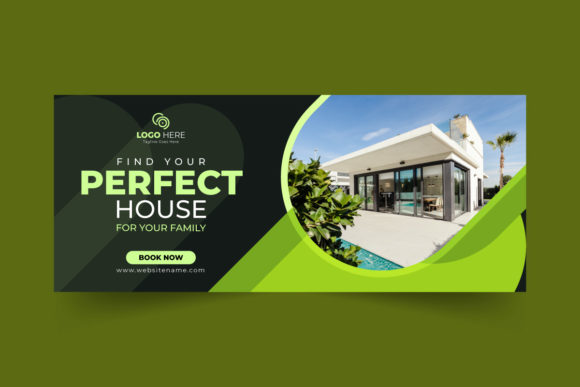
Mastering House for Sale Web Banner Design
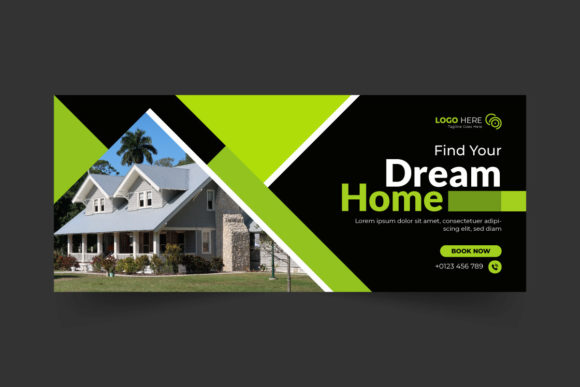
In the fast-paced world of digital real estate, the first impression is often the only one you get. A House for Sale Web Banner Design serves as the digital billboard for a property, capturing attention amidst a sea of listings on social media feeds, agency websites, and property portals. It is more than just a picture of a home; it is a strategic visual tool designed to stop the scroll and invite a click. Whether you are a seasoned real estate agent, a homeowner selling privately, or a graphic designer building a portfolio, understanding the mechanics behind these banners is crucial for success.
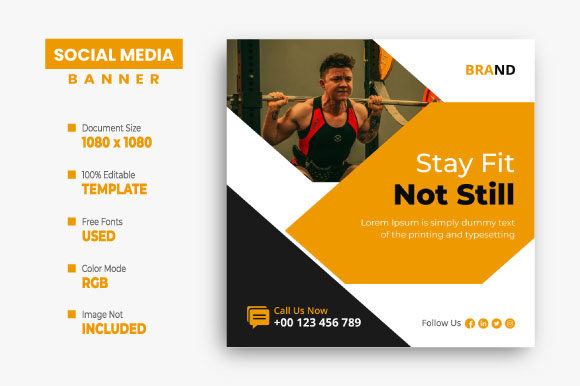
At its core, this type of design involves creating a high-impact visual advertisement specifically formatted for online consumption. The technical specifications matter immensely here. Files prepared at 300 DPI ensure that even when scaled down or viewed on high-resolution retina displays, the text remains crisp and the images sharp. While web graphics typically utilize RGB Color modes to ensure accurate representation across monitors and smartphones, starting with a high-resolution base allows for flexibility if the asset needs to be repurposed for print flyers later. Crucially, professional templates often note that the image is not included. This is a standard industry practice that provides the user with a flexible framework, allowing them to insert their specific property photos without fighting against a pre-baked background.
Why Different Audiences Value These Templates
The value of a well-structured banner template shifts dramatically depending on who is holding the mouse. For a beginner or a hobbyist looking to sell a family home, the primary concern is usually ease of use. They need a solution that does not require a degree in graphic design. Features like free fonts used and easy to edit layers become the deciding factors. They want to drag, drop, and publish without worrying about licensing fees for typography or struggling with complex software tools.
Conversely, a professional marketer or a freelance designer evaluates the same file through a lens of flexibility and commercial value. They look for a Flat Design File Included, such as an EPS vector format. This ensures that every element can be manipulated, recolored, or reshaped to match a specific brand identity. For them, the ability to deliver a JPEG for immediate web use while retaining the source file for future iterations is non-negotiable. The 100 customizable nature of the design means they can adapt the color palette to match a luxury brand's gold tones or a budget-friendly agency's vibrant blues without breaking the layout.
Tailoring the Approach to Your Role
If you are a small business owner running a local boutique real estate firm, your priority might be speed and consistency. You likely have multiple listings to promote weekly. A standardized banner template allows you to maintain a cohesive look across all your marketing channels. By using a single design structure, you build brand recognition; potential buyers start to associate that specific layout and font style with your agency's reliability. In this scenario, the time saved by not designing from scratch translates directly into more time spent nurturing client relationships.
For educators teaching digital marketing or graphic design, these files serve as excellent learning value resources. Students can deconstruct the layers to understand how professional designers balance text hierarchy, white space, and imagery. Analyzing why certain fonts are chosen for readability or how contrast is used to highlight the "For Sale" status provides practical insights that textbooks alone cannot offer. It bridges the gap between theoretical design principles and real-world application.
Consumers and home buyers, while not creating the banners, are the ultimate judges of their effectiveness. They do not care about DPI or vector files; they care about clarity and presentation. A cluttered banner with hard-to-read text signals a disorganized seller. A clean, modern design suggests a well-maintained property. Therefore, regardless of your role, the end goal remains the same: communicating trust and quality instantly.
Practical Priorities in Selection
When selecting or creating a House for Sale Web Banner Design, several priorities should guide your decision-making process:
- Quality vs. Speed: Beginners often prioritize speed, opting for templates that require minimal tweaking. Professionals, however, may sacrifice a bit of initial speed to ensure the quality is unparalleled, knowing that a premium look can justify higher commission rates or sale prices.
- Cost Efficiency: Using templates with free fonts eliminates hidden costs. For entrepreneurs and freelancers operating on tight margins, avoiding subscription fees for proprietary typography is a significant financial benefit.
- Adaptability: The real estate market fluctuates. A design that is 100 customizable allows you to pivot quickly. If you need to change a banner from "For Sale" to "Under Contract" or "Sold," the file structure should make this a two-second task rather than a two-hour redesign.
- Technical Reliability: Ensuring the file is in RGB Color mode prevents color shifts when uploaded to platforms like Facebook, Instagram, or Zillow. A file that looks great in print but dull on screen fails its primary purpose.
Making the Right Choice for Your Project
To determine if a specific banner design matches your goals, ask yourself what your primary constraint is. Is it time? Skill level? Or brand strictness? If you are a blogger writing about real estate trends, you might need a generic yet attractive banner to illustrate your posts. Here, the aesthetic appeal matters more than deep customization. If you are an agent launching a new listing tomorrow, the easy to edit feature becomes your most valuable asset.
Consider the platform where the banner will live. A leaderboard ad on a news site requires different proportions than a square post for Instagram. A robust design package often includes variations or a flexible layout that adapts to these different aspect ratios without losing impact. The inclusion of both EPS and JPEG formats covers this base perfectly—the JPEG for immediate deployment and the EPS for resizing or modifying the dimensions for different ad networks.
Ultimately, a House for Sale Web Banner Design is an investment in visibility. It transforms a static image of a house into a dynamic call to action. By choosing a template that aligns with your technical skills and business needs—whether that means leveraging the simplicity of free fonts or the power of fully editable vector files—you ensure that your property stands out in a crowded digital marketplace. Remember, the image of the house draws the eye, but the design of the banner secures the interest.