The Versatility of Lavender Circle in Digital Design
In the ever-evolving landscape of digital design, tools and assets that offer flexibility and quality are highly sought after. One such asset is Lavender Circle, a collection of vector graphics that have gained popularity for their clean aesthetics and adaptability across various platforms. Whether you're a graphic designer, developer, or content creator, understanding the potential of Lavender Circle can significantly enhance your workflow.
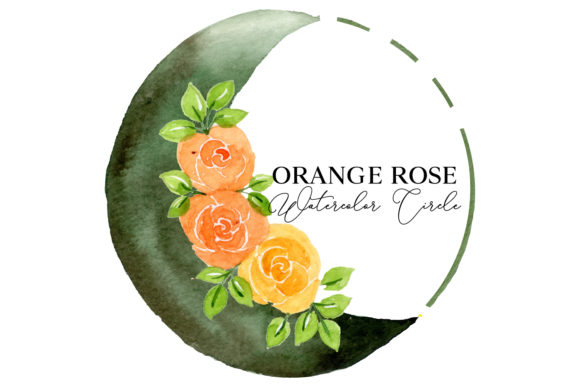
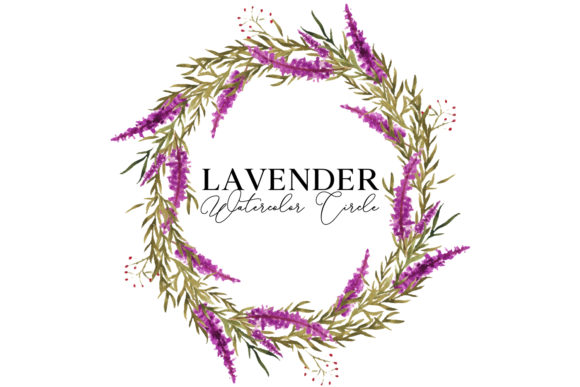
The term Lavender Circle often refers to a set of circular designs infused with lavender hues, but it also encompasses a broader range of elements that can be used in different contexts. These designs are typically available in multiple formats, including AI, EPS, SVG, and PNG, making them accessible for both print and digital use. This versatility is one of the key reasons why Lavender Circle has become a go-to resource for many professionals.
Understanding the Formats: AI, EPS, SVG, and PNG
Each format offers unique benefits depending on the intended application. For instance, AI (Adobe Illustrator) files are ideal for editing and customizing intricate designs. They allow for precise adjustments without losing quality, which is essential when working on detailed projects. On the other hand, EPS (Encapsulated PostScript) files are widely used in professional printing due to their compatibility with various design software and their ability to maintain high resolution at any size.
SVG (Scalable Vector Graphics) files are particularly useful for web development. Their ability to scale without distortion makes them perfect for responsive design, ensuring that visuals remain sharp on all devices. Additionally, SVGs can be manipulated using CSS and JavaScript, offering greater interactivity. PNG (Portable Network Graphics) files, while raster-based, provide transparency and high-quality images, making them suitable for overlays, icons, and other digital assets where clarity is crucial.
Applications of Lavender Circle in Creative Projects
The applications of Lavender Circle extend beyond simple decoration. In branding, these designs can serve as visual anchors that reinforce a brand's identity. A company might use a lavender circle as a logo element, integrating it into stationery, websites, and marketing materials. The consistent use of such elements helps build brand recognition and creates a cohesive visual language.
In web design, Lavender Circle can be used as background elements, buttons, or decorative accents. For example, a website focused on wellness or mindfulness might incorporate lavender circles to evoke a sense of calm and relaxation. These elements can be layered with text or other graphics to create visually appealing layouts that align with the site's theme.
For print media, Lavender Circle can be used in brochures, posters, and packaging. The availability of EPS and AI files ensures that the designs retain their quality when printed at large sizes. This makes them ideal for promotional materials that require high-resolution visuals. Additionally, the subtle color palette of lavender can complement a wide range of other colors, allowing for versatile design choices.
Considerations When Using Lavender Circle
While Lavender Circle offers numerous advantages, there are several considerations to keep in mind. First, it's important to ensure that the chosen format is compatible with your design software. For instance, if you're using a program that doesn't support SVG files, you may need to convert them to another format, which could affect quality.
Another consideration is licensing. Depending on the source of Lavender Circle, there may be specific terms of use that dictate how the files can be utilized. It's always wise to review the licensing agreement before incorporating these assets into commercial projects. Some sources may require attribution or restrict usage to certain types of work.
Additionally, the level of customization required should be taken into account. While Lavender Circle provides a solid foundation, some projects may demand significant modifications. In such cases, having access to editable AI or EPS files is essential to achieve the desired outcome.
Best Practices for Integrating Lavender Circle
To maximize the effectiveness of Lavender Circle, consider the following best practices. Start by identifying the purpose of the design element within your project. Is it meant to be a focal point, a background detail, or a subtle accent? Understanding this will help you choose the right format and placement.
When working with Lavender Circle, it's also beneficial to experiment with different color combinations. While the lavender hue is calming, pairing it with complementary colors like soft blues or warm neutrals can create a more dynamic visual effect. This approach allows for greater creative freedom while maintaining a cohesive look.
Finally, always test the final output across different mediums. If you're using Lavender Circle in a digital project, ensure that the design looks good on various screen sizes and resolutions. For print, check that the colors remain consistent and that the details are clear. These steps can help prevent unexpected issues and ensure a polished result.
Future Trends and Innovations in Lavender Circle
As design trends continue to evolve, the role of Lavender Circle is likely to expand. With the growing emphasis on minimalism and simplicity, circular designs are becoming increasingly popular. This trend aligns well with the aesthetic of Lavender Circle, making it a relevant choice for modern projects.
Moreover, advancements in design software and file formats are opening up new possibilities for creative professionals. For example, the integration of Lavender Circle into interactive platforms or augmented reality experiences could further enhance its utility. As technology progresses, the ways in which these assets are used will continue to evolve, offering even more value to designers and developers.
Ultimately, Lavender Circle represents more than just a set of design elements—it embodies a flexible and adaptable approach to visual communication. By understanding its characteristics, applications, and considerations, professionals can harness its potential to create compelling and effective designs across a wide range of projects.